Home > Blogs > Hand Wash vs Machine Wash: Which Is Best for Clothes

Hand Wash vs Machine Wash: Which Is Best for Clothes

underline

Washing clothes is a necessity in everyday life; however, one very pertinent question most people face is whether to wash their clothes by hand or by machine. Both have their advantages, which depend on fabric type, level of stains, frequency of washing, and care instructions. By choosing the right method, one can extend the garment’s life, retain its softness and color, and economize over time.

In this article, we consider hand washing versus machine washing to help you decide on the best method, detergent type, and washing routine for your clothes.

Understanding the Difference Between Hand Washing and Machine Washing

Hand washing

Hand washing is the process of manually cleaning clothes in a bucket or sink, by the use of water, detergent powder, liquid detergent, or detergent soap, and gentle rubbing. It gives complete control over soaking and stain treatment and, hence, is suitable for delicate and expensive clothes which demand tender care.

Machine Washing

Machine washing simply mechanizes the process by automatically going through cycles of cleaning that would befit most fabrics. Washing machines work best with liquid detergent or powder detergent designed for machine washing; it dissolves fast and rinses without much residue.

Benefits of Handwashing

This is usually advised for garments made of very delicate fabrics and costly ones.

Gentle on Clothes

With no aggressive spinning, fabric fibers remain soft and undamaged. This helps in retaining shape, embroidery, and texture of clothes.

Ideal for Delicates

Best suited for:
  • Silk sarees & blouses
  • Woolen clothes
  • Lingerie with lace
  • beaded or embroidered outfits
Washing with mild detergent soap or a light liquid detergent ensures safe cleaning.

Better Stain Control

You may treat stains with small amounts of detergent powder or liquid detergent, directly applied and rubbed very lightly where needed.

Does not allow color fading.

Reduced water movement prevents dye transfer, keeping colors bright longer.
Limitations:
  • Time-consuming
  • Not intended for bulk laundry
  • Manual effort required

Benefits of Machine Washing

Machine washing provides comfort and speed, thus being ideal for everyday laundry needs.

Saves Time & Effort

Simple operation: just load the clothes, add machine-wash liquid detergent or detergent powder, and it’s ready to go.

Handles Large Loads

Great for:
  • Bedsheets 
  • Towels 
  • Jeans 
  • School uniforms 
  • Everyday cotton wear 

Cleaning Consistently

Spin cycles remove dust, sweat, and everyday grime with efficiency

Water Efficiency

Modern machines use optimized water levels compared to repeated manual washing.
Limitations:
  • Rough agitation damages delicate fabrics.
  • Stretching or shrinking may result in
  • Colors may bleed if not separated.

Fabric Types: Which Washing Method Works Best?

Fabric Type Best Washing Method
Cotton Machine wash with detergent powder or liquid detergent
Denim Machine wash (inside-out, gentle cycle)
Wool Hand wash with detergent soap or mild liquid
Silk Hand wash only
Rayon Hand wash or gentle cycle
Synthetic fabrics Machine wash
Heavily embroidered clothes Hand wash
Bedsheets & towels Machine wash
Tip: Always check wash care labels to choose the correct cleaning method and detergent type

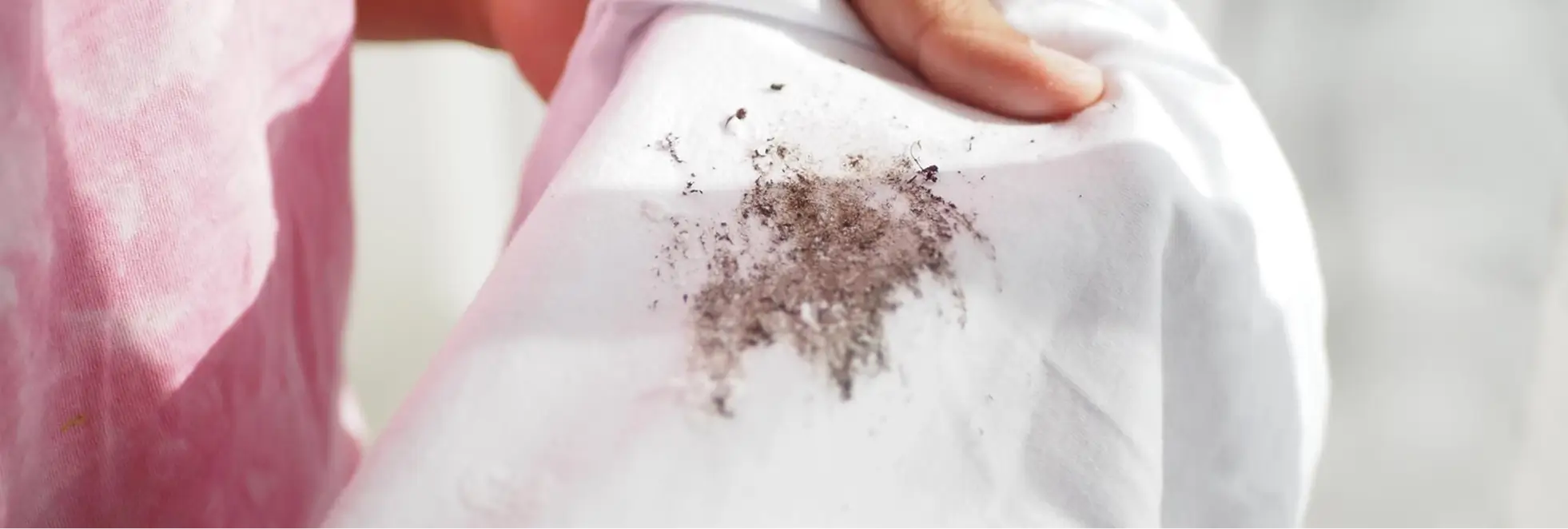
Stain Removal Comparison 

Hand Washing
  • Excellent for targeted stain removal
  • Gentle scrubbing to prevent fabric damage.
  • Stops stain spreading
Machine Wash
  • Ideal for general dirt removal 
  • Works best with stain-lifting detergent powder or liquid detergents 
  • Less precise spot cleaning 
Stain Removal Comparison
Best practice: Pre-treat stubborn stains by hand with detergent soap or liquid detergent before machine washing.
Cleaning Efficiency & Convenience
Feature Hand Wash Machine Wash
Time required High Low
Physical effort High Minimal
Load capacity Small Large
Precision care Excellent Moderate
Overall convenience Low Very High

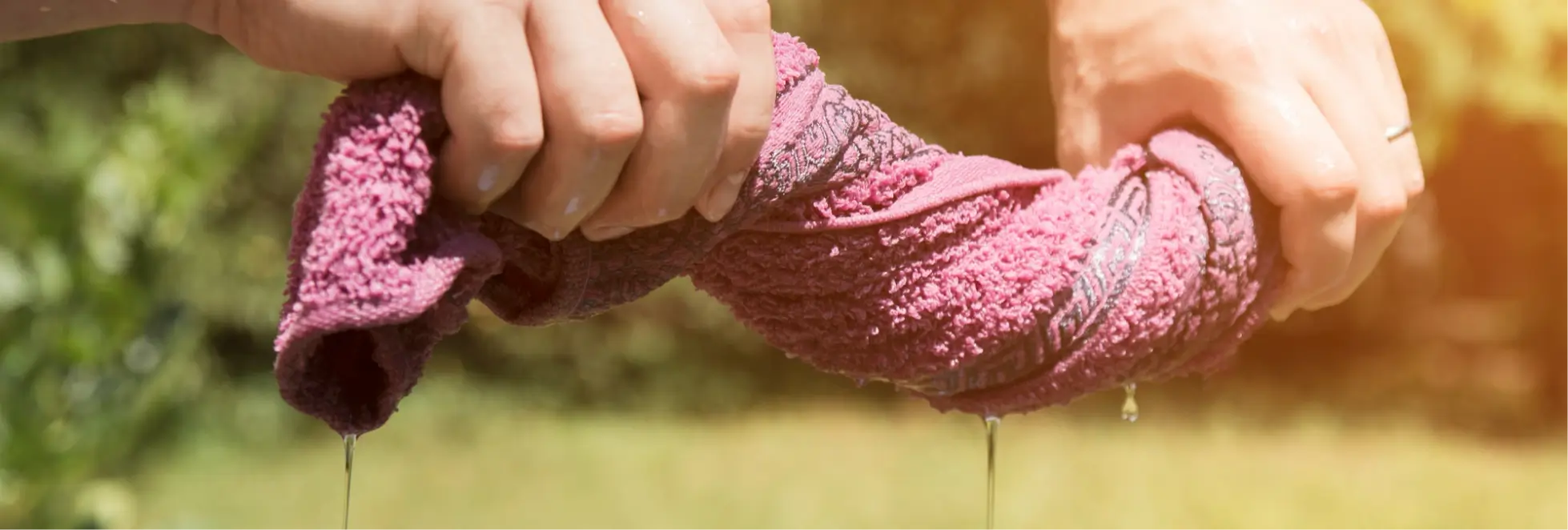
Water & Energy Consumption 

  • Hand washing often consumes more water because there are repeated cycles of rinsing. 
  • Machine washing uses measured amounts of water, therefore saving water and electricity, especially when using eco or low-water wash cycles. 
Water & Energy Consumption

Damage Risk & Fabric Longevity 

Machine washing may cause: 
  • Fabric friction
  • Pilling and thinning
  • Button loosening
Hand-washing preserves clothes longer but over-twisting and wringing should be avoided because it may stretch the fibers.
Quality detergents also prevent fiber weakening and color fading.

Which Method Should You Choose? 

Choose Hand Washing If:

  • Clothes are either delicate or expensive. 
  • Fabrics are silk, wool, lace 
  • Clothes with embroidery or embellishments
Use detergent soap or mild liquid detergent.
Choose Machine Washing If:
  • You wash daily wear 
  • The loads of laundry are heavy. 
  • Cloths are durable (jeans, cotton, synthetics) 
Use machine detergent powder or liquid detergent.
How to Wash: The best option is to combine both the machine and hand-washing techniques; machine wash for strong fabrics and hand wash for those that are not.


Tips for Better Laundry Results 

  • Sort clothes by color and fabric 
  • Turn clothes inside out during machine wash
  • Choose the right detergent-powder, liquid, or soap.
  • Avoid overloading the machine
  • Pre-soak heavily soiled clothes.  
  • Dry in shade to prevent fading  
  • Avoid wringing sensitive fabrics

Conclusion

Machine washing excels at convenience and bulk cleaning, while hand washing offers superior control for delicate fabrics. Whether you choose hand washing or machine washing, the quality of detergent plays the most important role in achieving spotless, fabric-safe results.

Monkey 555 provides a complete range of laundry care products, including:

Detergent Powder: Powerful cleaning for everyday machine wash loads

Liquid Detergent: Quick-dissolving low-foam formula perfect for modern washing machines and delicate fabrics.

Detergent Soap: Gentle yet effective for hand washing of premium clothes.

FAQs

1.Which washing method is better for delicate fabrics—hand wash or machine wash?
Hand washing is recommended for delicate fabrics such as silk, wool, lace, and embroidered clothing because it allows gentle cleaning without harsh spinning or friction. Using a mild liquid detergent or detergent soap prevents fabric damage and helps retain texture and color.
Machine washing can cause friction, pilling, or stretching if delicate fabrics are washed on regular cycles. However, durable fabrics like cotton, denim, and synthetics can safely handle machine washing, especially when washed in gentle modes with suitable machine detergents.
Hand washing offers better control for treating specific stains because you can pre-treat and scrub gently as needed. For everyday dirt and sweat, machine wash combined with a stain-removal detergent powder or liquid detergent provides efficient overall cleaning.